Auto impact
Over the years, we’ve continuously worked to enhance safety in cars and on the roads. From adaptive cruise control to our work with the IIHS, check out all the ways were improving your safety on the roads.


Partnerships
In 1995, State Farm became a founding member of the Insurance Institute for Highway Safety (IIHS). The IIHS, a non-profit, independent, scientific, and educational organization, researches ways to reduce the incidence of and the damage caused by motor vehicle crashes through auto safety research in engineering, enforcement and education.
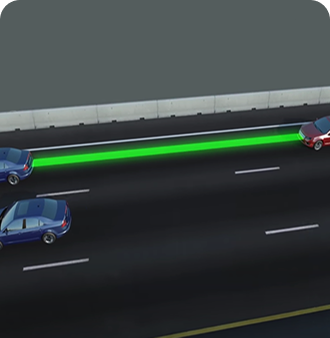
Adaptive cruise control
This feature continually adjusts the vehicle's speed to maintain a set minimum following distance.
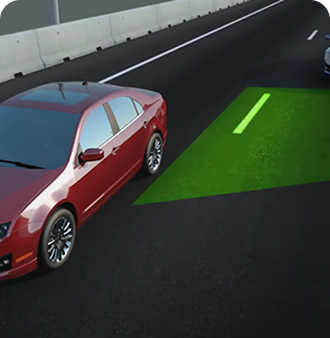
Blind spot detection
In this feature, sensors monitor the side of the vehicle and alert the driver when other vehicles approach blind spots through a visible or audible alert. Some systems also activate brake or steering controls. Research demonstrates blind spot detection reduces lane-change crashes by 14 percent.
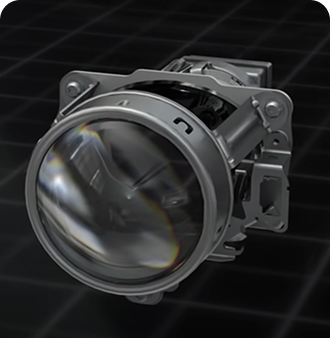
Curve-adaptive headlights
These unique headlights pivot based on steering wheel movement and vehicle speed in the direction of travel to better illuminate the dark, curved roads. A HLDI study of adaptive headlights offered on Acura, Mazda, Mercedes, and Volvo models showed they lowered property damage liability claims by as much as 10 percent.
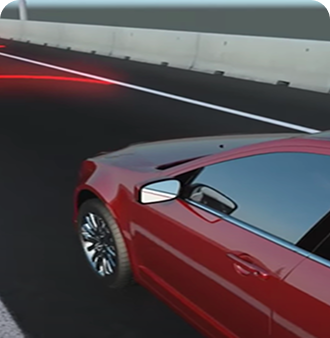
Front crash prevention
This system use sensors, like cameras, radar, or light detection and ranging to detect when a vehicle is getting too close to one in front of it and issues a warning and pre-charge the brakes If the driver doesn't respond, most vehicles will automatically. Some systems recognize pedestrians, cyclists, and animals. Forward collision warning reduces front-to-rear crashes by 27 percent and increases to 50 percent when combined with auto braking.
Twenty automakers voluntarily committed to standardizing the technology by 2020. This represents 99 percent light vehicle sales in the United States.
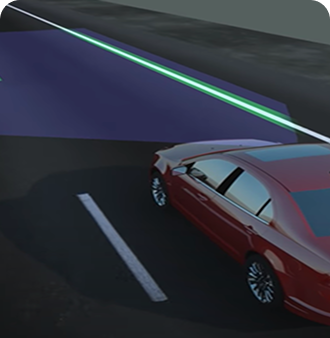
Lane departure prevention
These systems use cameras to track the vehicle's lane position, alerting the driver if the vehicle is in danger of straying across lane markings without the turn signal being activated. Some systems have been known to use haptic warnings, such as steering wheel or seat vibration, audible and/or visual warnings or light braking/minor steering adjustments.
Lane departure warning systems reduce single-vehicle, sideswipe, and head-on crashes by 11 percent and injurious crashes by 21 percent.
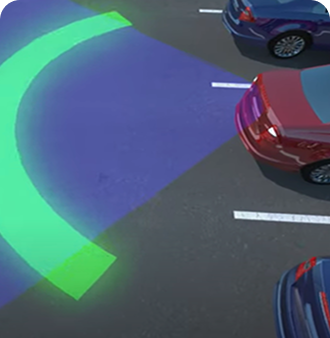
Rear crash prevention
Some systems warn the driver if objects are in the way or crossing behind the vehicle when it is in reverse while others automatically apply the brakes to prevent a collision.
Rear view cameras reduce backing crashes by 17% and increase to 78% when combined with rear view camera and parking sensors. Rear cross-traffic alerts reduce backing crashes by 22 percent.
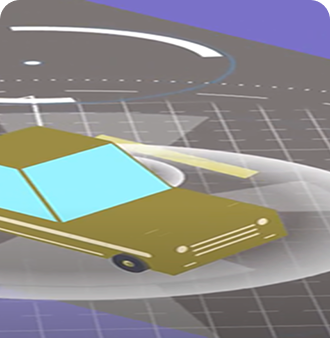
Connected technology
These prototype safety systems enable communication between vehicles and roadway infrastructure using a wireless network.
With V2V communication, vehicles transmit information to other vehicles. If the lead vehicle in a long chain suddenly brakes, V2V systems transmit to other vehicles in the chain and alert other drivers.
With V2I communication, vehicles communicate with roadway infrastructure. For example, highway systems could detect a vehicle’s location within a lane and alert the vehicle if it drifts. In urban environments, traffic signals could alert vehicles of a change so drivers are prepared to stop.
NHTSA estimates that two V2V functions, intersection movement assist and left turn assist together could prevent nearly 600,000 crashes and around 1,300 fatalities annually when fully deployed across the light vehicle fleet.
Information from National Highway Traffic Safety Administration
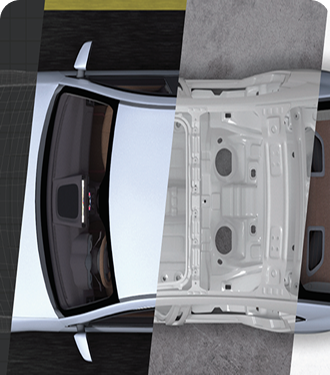
Air Bags
In a 1983 landmark ruling, the U.S. Supreme Court decided in favor of State Farm to restore federal rules requiring the installation of passive restraints, such as air bags, in all passenger vehicles.
Automated Vehicles
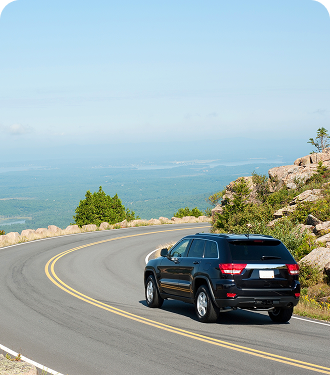
State Farm supports vehicle technologies that enhance safety, working closely with industry experts, academics, and state and federal agencies to understand and test automated vehicles. We’ve provided congressional testimony on the impact of automated vehicles on insurance.
Vehicle repair and restoration
Each year, more than six million police-reported automobile crashes occur in the United States. Many of these result in insurance claims, requiring repairs.
Vehicle repair & refinishingThe VRF team investigates repair and suspected defect issues. It is trained and industry-certified in disciplines such as body repair, electrical and mechanical diagnosis, and windshield replacement and repair. The team has developed or refined a broad range of procedures, such as glass and paintless dent repair. Additionally, it has become an industry leader in the repair of modern materials, such as carbon fiber.
Vehicle RestorationTo adequately insure restored and collectors’ cars, insurance companies must properly assess value. Experts from the State Farm Vehicle Research Facility (VRF) turned a 1968 Camaro RS convertible deemed a total loss into a training aid. The VRF restored half of the Camaro to its original specifications and the other half with modifications. The car became known as the Split Camaro and was displayed at venues across the United States. This car helped State Farm share its understanding of different types of restoration with organizations in the insurance and auto repair industries.
Each year, more than six million police-reported automobile crashes occur in the United States.
The VRF team conducts vehicle design reviews to determine the impact of car manufacturers’ decisions before a vehicle is released to the public.
Auto Extrication
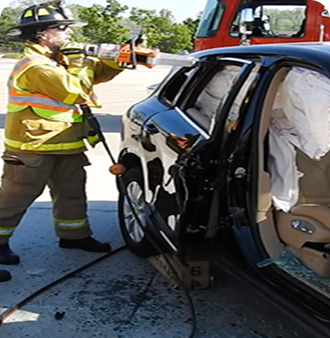
When a passenger is trapped in a vehicle following a collision, medical attention can’t begin until first responders get to the injured occupant.
State Farm gives some vehicles that have been declared total losses to local fire departments for extrication training purposes. This allows them to test techniques for extricating passengers from vehicles, including vehicles with newer technology and hybrid and electric models.
Take a few minutes to see an auto extrication demonstration.
Vehicle Research Facility
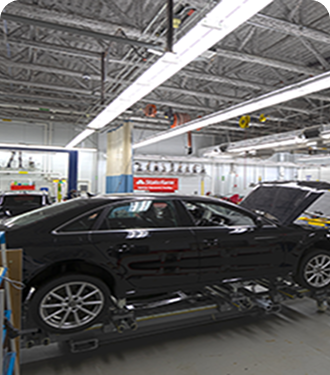
The State Farm VRF, built in 1994 in Bloomington, Illinois, is staffed with trained, industry-certified researchers in disciplines relating to physical vehicle damage, such as body repair, electrical and mechanical diagnosis, windshield replacement and repair, and advanced composites and materials. It conducts design reviews to determine the impact of manufacturers’ decisions in advance of a vehicle’s release to the public. In many cases, recommendations from these reviews can impact design choices.
The VRF also investigates defect issues, theft techniques, trends and modes of transportation beyond passenger vehicles.